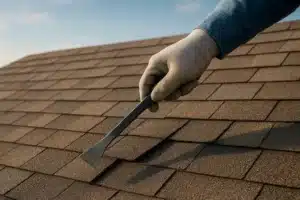
How to Safely Check Your Roof for Hail Damage
After a hailstorm, it is natural to wonder whether your roof was affected. Some hail damage is easy to see, while other signs can be harder to spot from the ground.
The good news is that homeowners do not need to climb onto the roof to start looking. In fact, staying on the ground is the safest approach.
At Edwards & Sons Roofing, we encourage homeowners to start with a simple visual check from the ground and inside the home. Look for changes, take a few photos, and contact a roofing professional if you see something you are unsure about.
This guide explains what to look for and how Edwards & Sons Roofing can help you understand what you are seeing.
Why You Should Check Your Roof From the Ground
Your roof is not a good place for a homeowner to walk around after a storm. Wet surfaces, loose shingles, and other changes can make walking on a roof unsafe.
A ground-level inspection can still tell you a lot.
At Edwards & Sons Roofing, we recommend looking for visible changes around the roof, gutters, siding, and other exterior areas. Binoculars can also help you see details without climbing.
If something looks unusual, that is a good reason to have Edwards & Sons Roofing take a closer look.

What to Look for From the Ground: Visual Signs of Hail Damage
What to Look for From the Ground
1. Missing or Displaced Shingles
Start by looking along the roofline.
After a storm, you may notice:
- Missing shingles
- Shingles that appear lifted or shifted
- Shingles that no longer line up with the surrounding rows
- Areas where underlayment or decking may be visible
If you notice something that looks different from the rest of the roof, take a photo from a safe location.
Edwards & Sons Roofing can evaluate the affected area and explain whether the issue appears to be storm-related, normal wear, or something else.
2. Dents, Cracks, or Impact Marks
Hail can leave marks on asphalt shingles. Depending on the storm and the roofing materials, you may see:
- Small dents or depressions
- Areas where granules appear to have been knocked loose
- Cracks or other visible surface damage
- Spots that look different from the surrounding shingles
Hail damage is not always easy to identify from the ground. A mark that looks concerning to one homeowner may have a different cause, while less obvious damage may deserve a closer look.
That is where a professional inspection can be helpful.
Edwards & Sons Roofing can examine the roof more closely and explain what we find instead of asking you to make that determination from the ground.
3. Granules in Gutters and Downspouts
Asphalt shingles naturally lose some granules as they age, so finding a small amount in your gutters does not automatically mean you have hail damage.
However, if you notice more granules than usual after a storm, it is worth paying attention to.
Look for:
- An unusual amount of gritty material in the gutters
- Granules collecting near downspout outlets
- A noticeable change from what you normally see
If you are unsure whether the amount is unusual, mention it to Edwards & Sons Roofing during an inspection. Granule loss is one piece of information that can help us evaluate the roof as a whole.
4. Damage to Gutters, Fascia, and Downspouts
Your roof is not the only part of the home that can show signs of hail.
Take a look at your gutters, downspouts, and fascia for:
- Dents
- Creases
- Bent sections
- Damaged brackets
- Areas that no longer appear to drain properly
These areas are easier to inspect from the ground than the roof itself.
If Edwards & Sons Roofing finds exterior damage during an inspection, we can explain what we see and whether other parts of the home’s exterior may need attention.
5. Check Siding, Vents, and Skylights
It can also be helpful to look at the rest of the home’s exterior.
Depending on the storm, you may notice:
- Dents or cracks in siding
- Damaged soffit or fascia
- Dents in roof vents
- Damage around skylights
- Marks or dents in flashing
Looking at several areas of the home can give you a better picture of what happened during the storm.
If you see multiple types of exterior damage, share those observations with Edwards & Sons Roofing. They can be useful when evaluating the roofing system.
6. Check Inside Your Home, Too
Not every roofing concern is visible from outside.
If you have safe access to your attic, look for visible signs of moisture such as:
- Water stains
- Damp insulation
- Moisture around roof penetrations
- Signs of previous leaks
You can also look at ceilings and upper walls for new water stains.
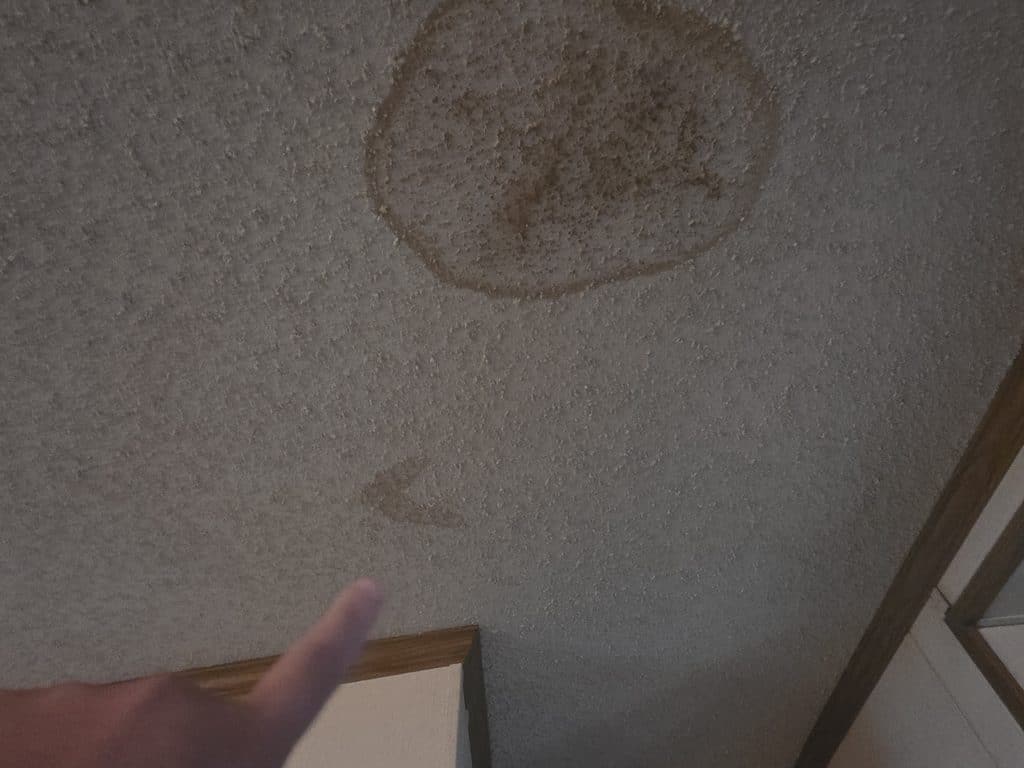
Sometimes exterior damage is subtle, but interior damage is impossible to miss.
If you find something unusual, take a photo and let Edwards & Sons Roofing know when you schedule an inspection. Interior signs can provide helpful information when evaluating the roof.
What You Should Not Do
Don’t Climb Onto Your Roof
You do not need to walk on your roof to begin checking for hail damage.
Stay on the ground and use binoculars or your phone’s camera to get a closer look.
If something requires a closer inspection, let Edwards & Sons Roofing handle that part.
Don’t Assume Every Mark Is Hail Damage
Not every dent, missing granule, or curled shingle is caused by a recent storm.
Roofs naturally change over time. Sun exposure, weather, age, previous repairs, and other factors can all affect roofing materials.
Rather than trying to determine the cause yourself, Edwards & Sons Roofing can inspect the affected areas and explain what we find.
Don’t Assume Hail Damage Means You Need a New Roof
Seeing hail marks does not automatically mean the entire roof needs to be replaced.
The right recommendation depends on the actual condition and extent of the damage.
At Edwards & Sons Roofing, we believe the roof should guide the recommendation. If a repair is appropriate, we will explain that option. If more extensive work is needed, we will explain what we found and why.
How to Document Damage for Your Insurance Claim
Before you call an adjuster, document everything. This protects your claim.
Step 1: Take Photos and Video
- Photograph damage from multiple angles and distances—wide shots of the roof line, close-ups of dents and missing shingles, interior water stains.
- Record video walking around the exterior of your home, narrating what you see. Video creates a timestamped record and shows the scale of damage better than still photos.
- Include a recognizable reference in wide shots (your house number, a car, a neighbor’s house) so the date and location are clear.
- Timestamp everything if your phone allows it.
Step 2: Write Down Details
- Write down what you noticed and when you noticed it.
- For example:
- Date of the storm
- Approximate time of the storm
- Areas where you noticed possible damage
- Any new interior water stains
- Changes you noticed in the gutters or exterior
- This information can help Edwards & Sons Roofing understand what you observed before the inspection.
What About Insurance?
If you believe your home may have storm damage, you can review your homeowners insurance policy and contact your insurance company about the claims process.
Insurance coverage depends on the policy and the circumstances of the loss. Your insurance company determines coverage under the policy.
Edwards & Sons Roofing can help with the physical side of the process by documenting visible roofing conditions, explaining what we find, and providing information about recommended repairs.
If your insurance company sends an adjuster to inspect the property, Edwards & Sons Roofing can be present to answer technical questions about the roofing system and the damage we observe.
You remain in control of your insurance claim and the decisions you make about your home.
When Should You Call Edwards & Sons Roofing?
You do not need to be certain that your roof has hail damage before asking questions.
Consider scheduling an inspection with Edwards & Sons Roofing if you notice:
- Missing or displaced shingles
- Possible impact marks
- Unusual granule loss
- Damaged gutters or downspouts
- Damaged siding, vents, or skylights
- New interior water stains
- Roofing materials that look different after a storm
Edwards & Sons Roofing offers free roof inspections to help homeowners better understand what they are seeing.
During an inspection, we can look at the areas that can be safely evaluated, document visible concerns, and explain what we find.
The goal is simple: find the problem, explain it clearly, and help you understand your options.
What Happens During an Edwards & Sons Roofing Inspection?
When Edwards & Sons Roofing evaluates a roof after a storm, we look beyond a single shingle.
Depending on the situation, we may examine:
- Shingles and visible surface damage
- Roof edges and other exposed areas
- Valleys
- Flashing
- Roof penetrations
- Gutters and downspouts
- Other visible exterior components
- Accessible attic areas when appropriate
We also consider the overall condition of the roofing system.
A storm does not automatically mean a roof needs to be replaced. Edwards & Sons Roofing takes a repair-first approach and explains what we find before recommending work.
Repair or Replacement?
The answer depends on the roof.
A professional evaluation may consider:
- The type of damage
- How much of the roof is affected
- The age of the roofing system
- Existing wear
- Previous repairs
- The condition of other roofing components
- Whether the affected areas can be properly repaired
At Edwards & Sons Roofing, we do not believe homeowners should be pushed toward replacement simply because a storm occurred.
The condition of the roof should guide the recommendation—not a predetermined sales goal.
If a repair makes sense, we will explain the repair. If replacement is appropriate, we will explain what we found and why.
A Simple Hail Damage Checklist
After a hailstorm, start with these simple steps:
From the ground:
- Look for missing or shifted shingles.
- Check for visible dents or impact marks.
- Look at gutters and downspouts for new dents.
- Check siding, vents, skylights, and fascia.
- Use binoculars if you have them.
Inside the home:
- Look for new ceiling or wall stains.
- Check accessible attic areas for visible moisture.
- Take photos of anything unusual.
If you notice something concerning:
- Stay off the roof.
- Take photos from a safe location.
- Contact Edwards & Sons Roofing for a professional evaluation.
- If insurance may be involved, review your policy and contact your insurer about the claims process.
The Bottom Line
Checking your roof after a hailstorm does not have to be complicated.
Start from the ground. Look for changes. Check the rest of the home’s exterior and look inside for visible signs of moisture. You do not need to determine exactly what caused the damage yourself.
If you are unsure about what you see, Edwards & Sons Roofing can help.
Our approach is straightforward: inspect carefully, explain what we find, and help you understand your options.
For homeowners across Southern Illinois and the St. Louis Metro East, Edwards & Sons Roofing is here to provide clear information and dependable roofing guidance when you need it.
Get A Free Roof Inspection