
When winter weather arrives, your roof has to handle snow, ice, freezing temperatures, and repeated freeze-thaw cycles. Your shingles are an important part of that system, but they are not the only layer protecting your home.
Under the shingles is a layer called ice and water shield. This membrane provides added protection in areas where water is more likely to work its way beneath the shingles.
For homeowners in Illinois and Missouri, understanding how ice and water shield works can help you make more informed decisions when your roof needs repair or replacement.
What Is Ice and Water Shield?
Ice and water shield is a waterproof membrane installed beneath the shingles and directly over the roof deck. Many types are self-adhering, allowing the membrane to bond to the decking and help seal around areas where water could otherwise enter.
Shingles are designed to shed water down the roof. But certain conditions can allow water to move underneath them.
This can happen when:
- Ice dams form along the edge of the roof
- Wind-driven rain or snow gets beneath shingles
- Water collects in roof valleys
- Flashing or other roof penetrations develop weak points
- Freeze-thaw cycles affect roofing materials
Ice and water shield adds another layer of protection in these vulnerable areas. Because it is installed beneath the shingles, you normally will not see it once the roof is finished.
Why Is It Important in the Midwest?
Midwest weather can be hard on roofing systems. Illinois and Missouri can experience heavy snow, freezing temperatures, warmer days, and rapid changes between freezing and thawing.
These conditions can create opportunities for water to move in ways it normally would not.
Ice Dams
An ice dam can form when heat from inside a home causes snow on the upper portion of the roof to melt. The water runs toward the colder edge of the roof, where it can freeze again.
As ice builds up, water may collect behind it and work beneath the shingles.
Ice and water shield can provide additional protection along the areas most likely to be affected.

Freeze-Thaw Cycles
Repeated freezing and thawing can put stress on shingles, flashing, sealants, and other roofing materials.
Water can enter small openings and expand when it freezes. Over time, this can contribute to damage and create pathways for water intrusion.
Ice and water shield does not prevent this type of wear, but it can help protect the roof deck if water gets beneath the shingles.
Wind-Driven Weather
Winter storms do not always send precipitation straight down. Strong winds can push rain and snow toward areas where water may get beneath shingles or around flashing.
A properly installed roofing system uses several layers of protection to manage these conditions.
Where Is Ice and Water Shield Typically Used?
Ice and water shield is not necessarily installed over every part of every roof. Its use depends on the roof design, local building requirements, materials, and areas most vulnerable to water intrusion.
Common locations include:
Along Roof Eaves
The lower edge of a roof is especially important in areas where ice dams are possible.
Ice and water shield is often installed along the eaves to provide additional protection if water backs up behind an ice dam. The amount of coverage can depend on local building codes and the design of the roof.
In Roof Valleys
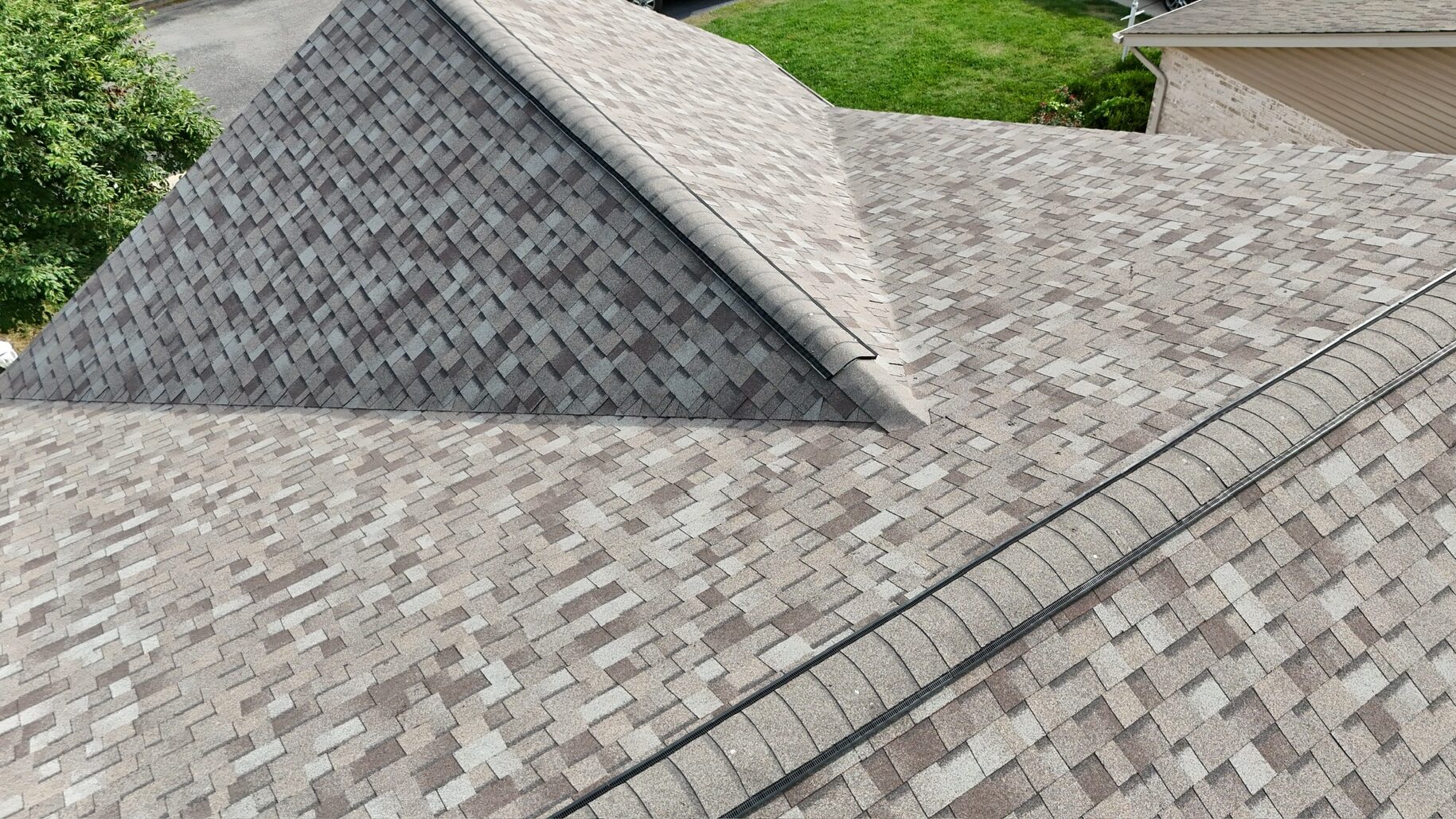
A roof valley is where two roof slopes meet. Valleys collect water from both sections of the roof, making them an important area to protect.
Ice and water shield is commonly used in valleys as part of the overall waterproofing system.
Around Roof Penetrations
Vents, chimneys, skylights, and other roof penetrations can create potential pathways for water.
Flashing and underlayment work together around these areas to direct water away from the opening. Ice and water shield may provide an additional layer of protection.
Where a Roof Meets a Wall
Roof-to-wall intersections also require careful waterproofing. Water moving down the roof can collect where the roof meets a vertical wall, making proper flashing and underlayment especially important.
Low-Slope Roof Areas
Lower-slope roofs can require different waterproofing considerations because water may move more slowly across the surface.
The appropriate materials and installation methods depend on the roof design and applicable building requirements.

What Happens If Water Gets Beneath the Shingles?
Ice and water shield is one part of a roofing system. If water gets through the shingles and other protective layers, it can eventually reach the roof deck and interior of the home.
Signs of water intrusion can include:
- Water stains on ceilings or walls
- Damp insulation
- Musty odors
- Discolored or damaged decking
- Moisture around attic penetrations
- Damaged wood
- Peeling or bubbling interior finishes
The longer a water problem goes unnoticed, the more opportunity there is for additional damage.
It is also important to remember that a ceiling stain does not always mean the water entered directly above it. Water can travel along the roof deck or framing before becoming visible inside the home.
Does the Material and Installation Matter?
Yes.
Different ice and water shield products have different specifications and installation requirements. The appropriate product depends on the roofing system and the manufacturer’s instructions.
More important than simply choosing a particular product is making sure the membrane is:
- Appropriate for the roofing system
- Installed according to manufacturer requirements
- Properly bonded to the roof deck
- Installed without gaps or poor adhesion
- Used where required by applicable building codes
Installation matters just as much as the material itself.
If you are replacing your roof, it is reasonable to ask your roofing contractor what type of ice and water shield will be used and where it will be installed. A reputable contractor should be able to explain the roofing system in a way that makes sense to you.
Ice and Water Shield Is Part of a Larger System
Ice and water shield is important, but it works alongside the other components of your roof.
Attic Ventilation
Proper attic ventilation helps manage temperature and moisture. A properly designed system may use intake vents near the eaves and exhaust ventilation near the ridge or another appropriate location.
Ventilation is only one part of managing ice dams. Insulation and air sealing also matter.
Attic Insulation and Air Sealing
Heat escaping into the attic can contribute to uneven roof temperatures and increase the potential for ice dams.
Proper insulation and air sealing can help reduce unwanted heat transfer into the attic.
Gutters and Downspouts
Gutters and downspouts help move water away from the roof and foundation.
Keeping them clear of leaves and other debris helps water drain properly, especially during snowmelt and heavy rain.
Flashing
Flashing directs water around chimneys, walls, vents, and other roof penetrations.
Damaged or improperly installed flashing can create opportunities for water intrusion, even when the shingles appear to be in good condition.
How Do You Know If Your Roof Has Ice and Water Shield?
This is a common question, especially for homeowners with older roofs.
In many cases, you cannot determine whether ice and water shield is present simply by looking at the roof from the ground.
If you have documentation from a previous roof replacement, it may identify the materials that were installed.
During a roof replacement, the roofing contractor can inspect the existing system as the old materials are removed. With an existing roof, some installation details may be difficult to confirm without removing roofing materials.
That is why it is better to avoid assuming what is beneath your shingles based only on how the roof looks from the ground.
When Should You Have Your Roof Inspected?
Consider having your roof professionally inspected if you notice:
- Water stains on ceilings or walls
- Previous ice dam problems
- Missing, damaged, or curled shingles
- Damaged flashing
- Granules collecting in gutters
- Moisture or musty odors in the attic
- An older roof that has not been inspected recently
- A leak that appears after snow or heavy rain
An inspection can help identify what is happening and determine whether a repair, maintenance, or further evaluation is appropriate.
And importantly, the condition of the roof should guide the recommendation—not a predetermined sales goal.
Sometimes a roof needs a repair. Sometimes maintenance can address the concern. And sometimes the age or condition of the roofing system makes replacement the more practical option.
The right recommendation depends on the roof in front of you.
The Bottom Line
Ice and water shield is an important part of a roofing system, especially in areas where ice dams and water intrusion are concerns. It provides an added layer of protection beneath the shingles, but it works best alongside proper flashing, ventilation, insulation, gutters, and regular maintenance.
For Midwest homeowners, understanding these components can make it easier to recognize potential problems and ask informed questions when your roof needs attention.
You do not need to be a roofing expert to make a good decision about your home. Start with the condition of the roof, understand your options, and choose the solution that makes sense for your home.
At Edwards & Sons Roofing, we believe homeowners deserve clear information and honest recommendations based on what their roof actually needs.
Get A Free Roof Inspection