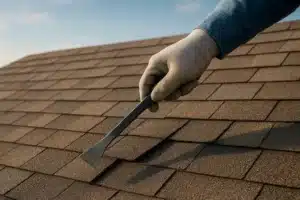
When most homeowners think about their roof, they picture shingles. But shingles are only one part of a roofing system.
A roofing system is made up of several components that work together to shed water, protect the structure of your home, and handle everyday exposure to wind, rain, snow, and sun. Understanding how these parts work together can help you spot potential problems and make more informed decisions about roof repairs and replacement.
At Edwards & Sons Roofing, we believe a good roofing decision starts with understanding what is actually happening on your roof. That means looking beyond the shingles and considering the condition of the entire system.
What Is a Roofing System?
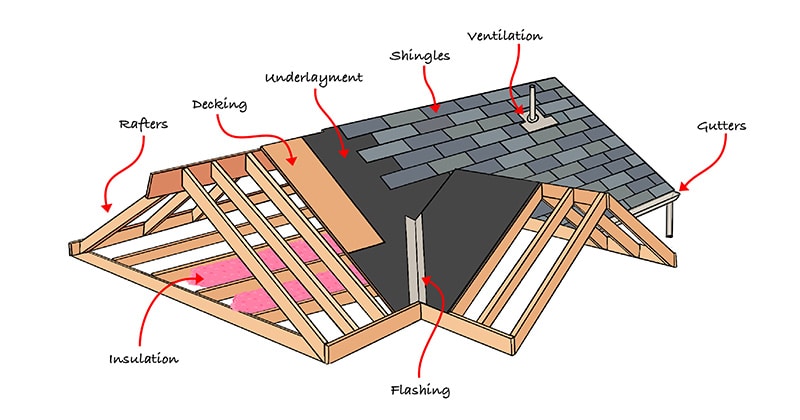
A roofing system includes the materials and components that work together to protect your home. While exact construction can vary from one home to another, the main components typically include:
- Shingles
- Underlayment
- Roof decking
- Flashing
- Gutters and downspouts
- Roof ventilation and other supporting components
Each part has a different job. When one component has a problem, it can affect the performance of the components around it.
That is why a roof inspection should look at more than just the shingles.

The Main Parts of a Roofing System
1. Shingles
Shingles are the part of the roof most homeowners see from the ground. They are designed to shed water and protect the layers underneath from weather and sunlight.
Over time, shingles can develop problems such as:
- Cracking or curling
- Missing or lifted shingles
- Damaged areas after severe weather
- Excessive granule loss
- General wear from age and exposure
Shingles are important, but they are only the outer layer of the roofing system.
2. Roof Underlayment
Underlayment is installed beneath the shingles and above the roof decking. It provides an additional layer of protection against water that gets beneath the shingles.
There are several types of underlayment, including synthetic and felt products. The type used can depend on the roof design, materials, and installation requirements.
Because underlayment is beneath the shingles, homeowners generally cannot see its condition without removing roofing materials. This is one reason a thorough inspection matters when a roof has experienced damage or is nearing the end of its service life.
3. Roof Decking
Roof decking forms the structural surface beneath the underlayment. It is commonly made from plywood or oriented strand board (OSB) and is attached to the home’s roof framing.
If water reaches the decking and remains there long enough, the wood can become damaged or deteriorate.
Signs that may point to a moisture problem include:
- Water stains on ceilings
- Damp or musty areas in an attic
- Soft or damaged decking
- Visible signs of water intrusion
Decking damage is often discovered during a roof replacement when the existing roofing materials are removed. If damaged decking is found, those areas may need to be replaced before the new roofing system is installed.
4. Roof Flashing
Flashing helps direct water away from areas where the roof meets another surface or where water could otherwise find an opening.
Flashing is commonly found around:
- Chimneys
- Roof valleys
- Skylights
- Vent pipes
- Dormers
- Walls and other roof-to-wall transitions
These areas require careful installation because changes in roof direction or materials can create pathways for water if they are not properly protected.
When investigating a roof leak, flashing is one of the areas a professional should examine closely.
5. Roof Ventilation
Roof ventilation helps move air through the attic space. A properly designed ventilation system can help manage heat and moisture in the attic, depending on the home’s design and local conditions.
Common roof ventilation components include:
- Ridge vents
- Soffit vents
- Box or static vents
- Gable vents
- Powered attic vents
Ventilation works as a system. Intake ventilation, such as soffit vents, allows air to enter the attic, while exhaust ventilation allows air to leave. The right setup depends on the home’s roof design and existing ventilation.
Poor or blocked ventilation can contribute to moisture buildup and other attic concerns. However, more ventilation is not automatically better. A roofing professional should consider the entire attic and roof design when evaluating ventilation.
6. Gutters and Downspouts
Gutters and downspouts are not part of the roof structure itself, but they play an important role in managing the water that leaves the roof.
Gutters collect runoff along the roof edge, while downspouts carry that water away from the home.
Problems such as clogged, sagging, or improperly draining gutters can contribute to water collecting where it should not. Keeping gutters and downspouts clear and properly directed can help protect the roof edge, siding, and foundation area.
Why All the Parts of a Roof Matter
A roof leak does not always appear directly below the point where water entered the roofing system.
Water can travel along roofing materials, framing, or other surfaces before becoming visible inside the home. That means a ceiling stain may identify where water became visible—not necessarily where the problem began.
For example, a leak could involve:
- Damaged shingles
- A flashing problem
- A roof-to-wall transition
- A failed seal around a penetration
- Water entering through another part of the roofing system
This is why simply patching the spot where water appears may not address the underlying problem.
A good inspection looks at the roof as a whole and considers how the different components are working together.
Common Roofing System Problems
Different components can develop different types of problems over time.
Shingle Damage
Weather, age, installation issues, and normal exposure can all affect shingles. Missing, damaged, or deteriorating shingles may allow water to reach the layers beneath them.
Underlayment Problems
Because underlayment is hidden beneath the shingles, problems may not be obvious from the ground. Its condition may become a consideration when investigating leaks or replacing an aging roof.
Decking Damage
Long-term moisture exposure can weaken roof decking. Damaged decking may need to be repaired or replaced before new roofing materials are installed.
Flashing Problems
Loose, damaged, improperly installed, or deteriorated flashing can create opportunities for water intrusion, particularly around roof penetrations and transitions.
Gutter Problems
Clogged or poorly draining gutters can prevent water from moving away from the roof and home as intended. Regular maintenance can help reduce these issues.
Why a Professional Roof Inspection Can Help
You do not have to wait for water to appear inside your home before having your roof checked.
A professional roof inspection can help identify visible damage and areas that may deserve closer attention.
Consider having your roof inspected if:
Your area has experienced severe weather.
Hail and high winds can damage roofing materials even when the damage is not easy to see from the ground.
You notice missing, damaged, or curling shingles.
Changes to the outer roofing layer can be a sign that the roof needs closer evaluation.
You see granules collecting in your gutters.
Some granule loss is normal as shingles age, but an unusual increase can be worth having evaluated.
You notice a ceiling stain or signs of moisture in the attic.
These can indicate that water is getting through some part of the roofing system.
Your roof is getting older.
An inspection can help you understand the current condition of the roof and plan for maintenance or future work.
You are buying or selling a home.
A professional roof inspection can provide useful information about the roof’s condition before a major transaction.
How Edwards & Sons Looks at a Roofing System
At Edwards & Sons Roofing, we approach inspections with the goal of understanding the condition of the roof—not starting with a predetermined recommendation.
That means looking at the visible roofing materials, checking important transitions and penetrations, and considering the condition of the components that can be evaluated.
We also use photographs to document what we find. Seeing the condition of your roof can make it easier to understand why a particular repair or replacement may—or may not—be recommended.
Our approach is simple: the condition of the roof should guide the recommendation, not a predetermined sales goal.
Sometimes the right solution is a repair. Other times, the condition and age of the roofing system may make replacement the more practical option. The important thing is understanding why.
What About Storm Damage and Insurance?
If your roof has been damaged by a storm, you may need to work with your insurance company as part of the process.
Your roofing contractor can help by inspecting the roof, documenting visible damage, and explaining what was found. Your insurance company determines coverage and handles the claim according to your policy.
At Edwards & Sons, we can provide information about the condition of your roof and the roofing work that may be needed. We do not make coverage decisions or negotiate insurance claims on a homeowner’s behalf.
The homeowner remains in control of the insurance claim while we provide information about the condition of the roof and any roofing work that may be needed.
Protecting the Whole Roofing System
Your roof is more than the shingles you see from the ground. Shingles, underlayment, decking, flashing, gutters, and other components all play a role in protecting your home.
When one part develops a problem, understanding the rest of the system can help you make a better decision about what should happen next.
Regular maintenance, professional inspections, and prompt attention to visible problems can all help you stay ahead of avoidable damage.
At Edwards & Sons Roofing, we’ve been helping homeowners across the Metro East and greater St. Louis area since 1974. As a third-generation, family-owned roofing company, we believe good roofing work starts with honest information and careful workmanship.
If you’re concerned about the condition of your roof, a professional inspection can help you understand what you’re dealing with. We’ll take a thorough look, explain what we find, and help you understand your options—whether that means a repair, maintenance, or replacement.
Serving homeowners throughout the Illinois and Missouri sides of the St. Louis metro area, including Collinsville, Belleville, and surrounding communities.
Get A Free Roof Inspection