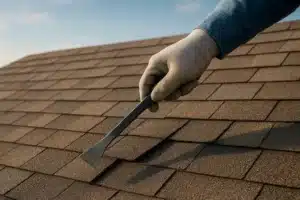
Strong winds can put a lot of stress on a roofing system. While some wind events leave obvious damage, the way wind moves around a home can also place extra stress on certain parts of the roof.
Straight-line winds are different from tornadoes because they do not rotate around a central point. They move outward from a storm in a more direct path. Severe thunderstorms can produce these winds across parts of the Midwest, including Southern Illinois and the St. Louis Metro East.
Understanding how straight-line winds affect a roof can help homeowners better understand why certain areas need extra attention and why a roof’s overall design and condition matter.
What Are Straight-Line Winds?
Straight-line winds are strong winds that move mainly in one direction rather than rotating like a tornado.
They can develop with severe thunderstorms and may affect a wide area. A derecho is one type of long-lasting wind event that can travel across several states.
For a roofing system, the important part is not just how fast the wind is moving. It is also how the wind interacts with the shape and structure of the home.
Wind can move over the roof, around the edges, and across changes in the roofline. These movements create pressure on different parts of the roofing system.
That pressure can place stress on shingles, fasteners, flashing, and other components.
What Is Wind Uplift?
One of the main ways wind affects a roof is through wind uplift.
Think about holding a sheet of paper outside on a windy day. When air moves across the top of the paper, it can lift the paper upward.
A similar effect can happen on a roof.
As wind moves over and around a home, air pressure can change above the roof. This can create an upward force on roofing materials.
Shingles are designed to work together as part of a roofing system. Their fasteners and seals help keep them in place. But strong wind can place additional stress on those connections.
If one part of the system is weaker than another, that area may be affected first.
This is one reason roof edges, corners, transitions, and other connection points deserve special attention after a major wind event.
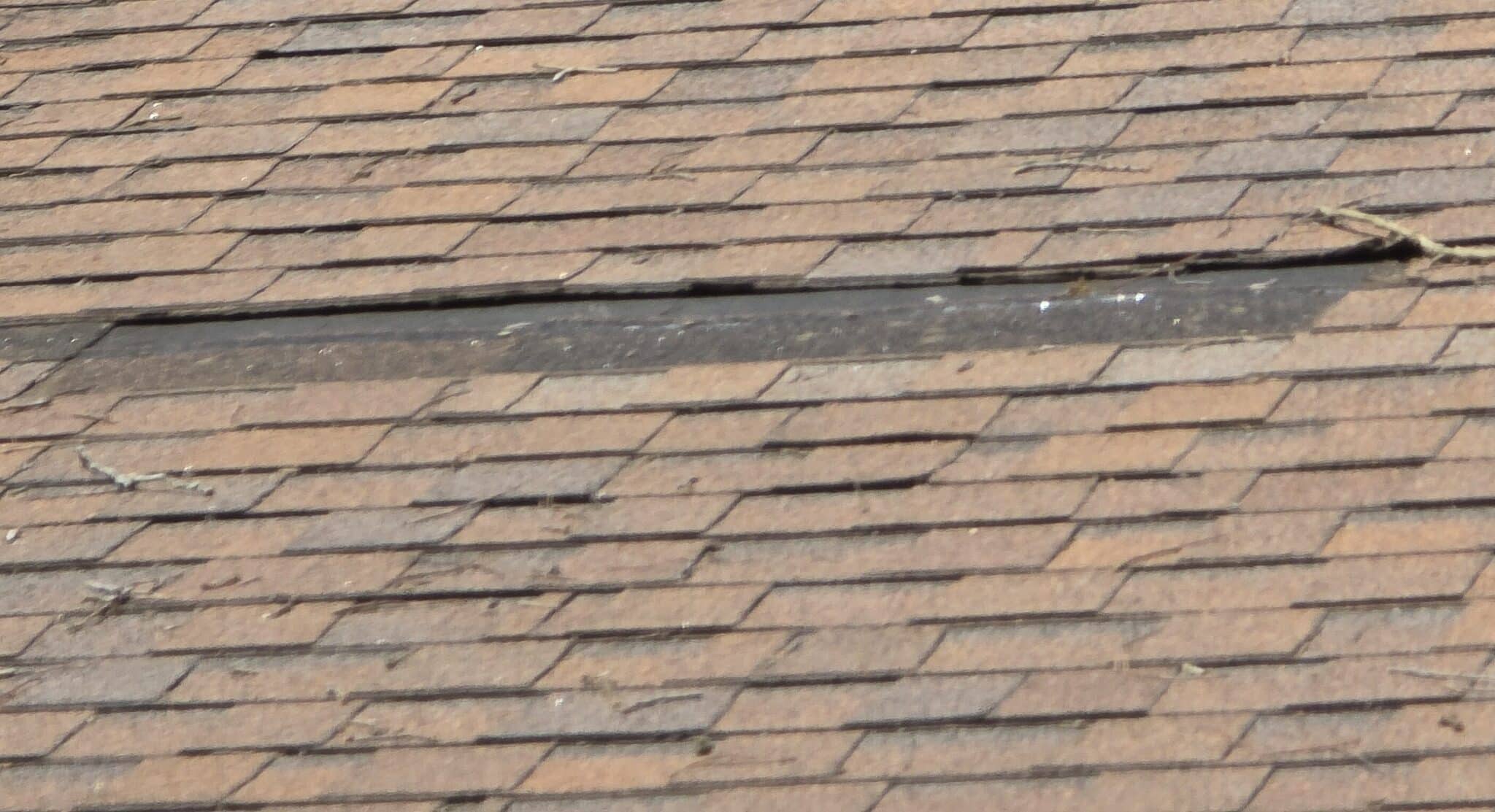
Why Roof Edges Can Be More Vulnerable
The edge of a roof is where the roofing system meets the outside air. It is also where wind can move around the roof surface.
This makes roof edges an important part of the overall system.
The edge of a roof includes areas such as:
- Eaves
- Rakes
- Roof-to-wall transitions
- Areas around the roof perimeter
These areas rely on proper installation and secure connections to help keep roofing materials in place.
If wind gets underneath a roofing material or places stress on a connection, the edge may become a starting point for additional damage.
That does not mean every roof edge will fail during a strong windstorm. Roof design, materials, installation, age, and maintenance all play a role.
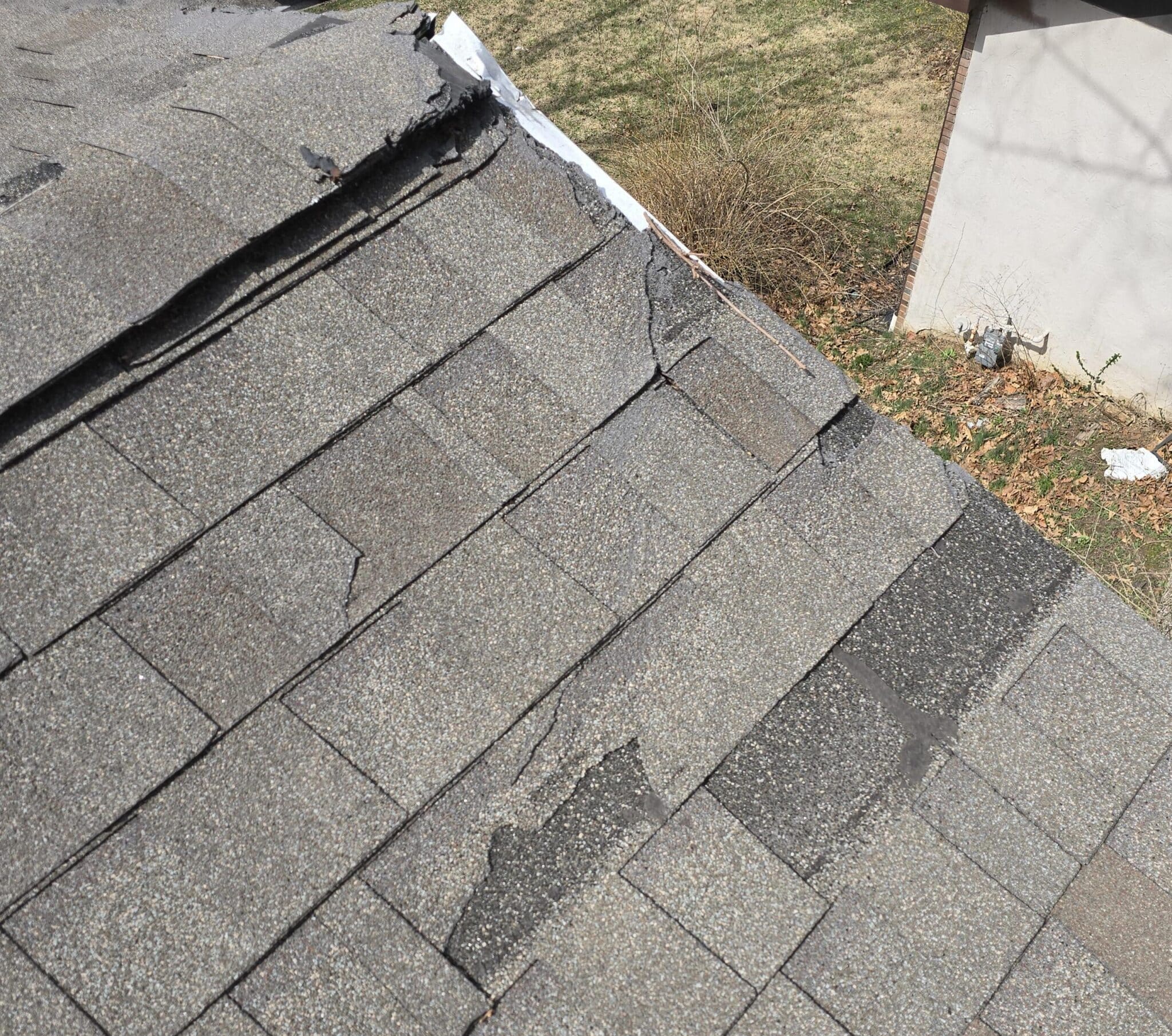
Why Roof Corners Deserve Attention
Roof corners can experience changing wind forces as air moves around the home.
A corner brings together two roof edges, creating a transition where wind can change direction and move around the structure.
Because of this, corners are another area where the roofing system’s connections matter.
A well-installed roof is designed to handle normal environmental stresses. But older materials, previous damage, loose components, or installation problems may affect how a roof responds to strong winds.
This is why an inspection should consider the roof as a whole rather than focusing only on the main field of shingles.
Valleys and Roof Transitions
A roof is rarely one flat surface. Most homes have areas where roof planes meet.
These areas may include:
- Roof valleys
- Changes in roof slope
- Roof-to-wall transitions
- Areas around dormers or additions
These connections are important because several roofing components come together in one place.
Valleys also have an important job: directing water toward the gutters or other drainage areas.
When wind places stress on these areas, the condition of the materials and their connections becomes especially important.
A professional inspection can look at these transitions as part of the larger roofing system and determine whether repairs are needed.
Flashing and Roof Penetrations
Your roof has several places where something passes through or meets the roofing surface.
Examples include:
- Chimneys
- Plumbing vents
- Skylights
- Exhaust vents
- Roof-to-wall connections
These areas use flashing to help direct water away from openings and joints.
Flashing is an important part of keeping the roofing system watertight. Strong wind can place stress on flashing, fasteners, and sealants, especially when the materials are older or already worn.
This is another reason a roof inspection should include more than just looking at the shingles.
The roofing system includes many components that work together.
Low-Slope and Flat Roofing
Some homes have low-slope or flat sections of roofing over additions, porches, garages, or other areas.
These roofs use different materials and installation methods than traditional sloped asphalt shingle roofs.
Depending on the roofing system, wind resistance may depend on fasteners, adhesives, seams, edge details, or other methods of attachment.
Because the design is different, low-slope roofing should be evaluated according to the specific system installed on the building.
A professional inspection can help identify whether the roofing material and its attachment points are performing as expected.
What Makes One Roof More Vulnerable Than Another?
Two homes can experience the same storm and have very different results.
Several factors can affect how a roof responds to strong wind.
Roof Age
Roofing materials change over time.
Sun exposure, temperature changes, rain, and normal weathering can affect shingles and other roofing components. Older materials may not perform the same way they did when they were new.
Age alone does not determine whether a roof needs replacement. It is simply one factor to consider when looking at the overall condition of the roof.
Installation
Proper installation is an important part of roof performance.
Fastener placement, sealing, flashing, and edge details all play a role in how the roofing system handles wind and weather.
A roof that looks fine from the ground may still have installation or connection issues that are difficult for a homeowner to identify.
Existing Wear or Damage
A roof that already has worn or damaged components may respond differently to a strong storm.
Previous repairs, loose materials, deteriorated flashing, or other issues can affect the roof’s ability to handle additional stress.
This is why the condition of the roof before the storm matters, too.
Roof Design
Roof shape and slope can influence how wind moves around a home.
Different roof designs have different edges, corners, valleys, and transitions. Each of these areas becomes part of the way the roofing system handles wind.
There is no single roof design that is automatically protected from wind damage.
Why the Whole Roofing System Matters
It is easy to think of a roof as a layer of shingles.
In reality, a roofing system includes much more.
Depending on the home, it may include:
- Shingles or another roof covering
- Underlayment
- Roof decking
- Flashing
- Ventilation components
- Fasteners and seals
- Edge details
- Gutters and drainage components
Each part has a role.
When strong wind affects one component, other parts of the system may also need to be checked.
This is why a professional inspection should look beyond the most obvious areas and consider how the different parts of the roof work together.
What Happens When Wind Finds a Weak Point?
Wind does not damage every roof in the same way.
In some cases, a roofing component may move or separate from its intended position. In other cases, a connection or seal may be affected without causing an immediate leak.
The important point is that not every problem is easy to see from the ground.
A professional can examine the roof more closely and determine whether a concern is limited to one area or whether other parts of the system should also be evaluated.
That information helps homeowners make a more informed decision about what, if anything, should be done next.
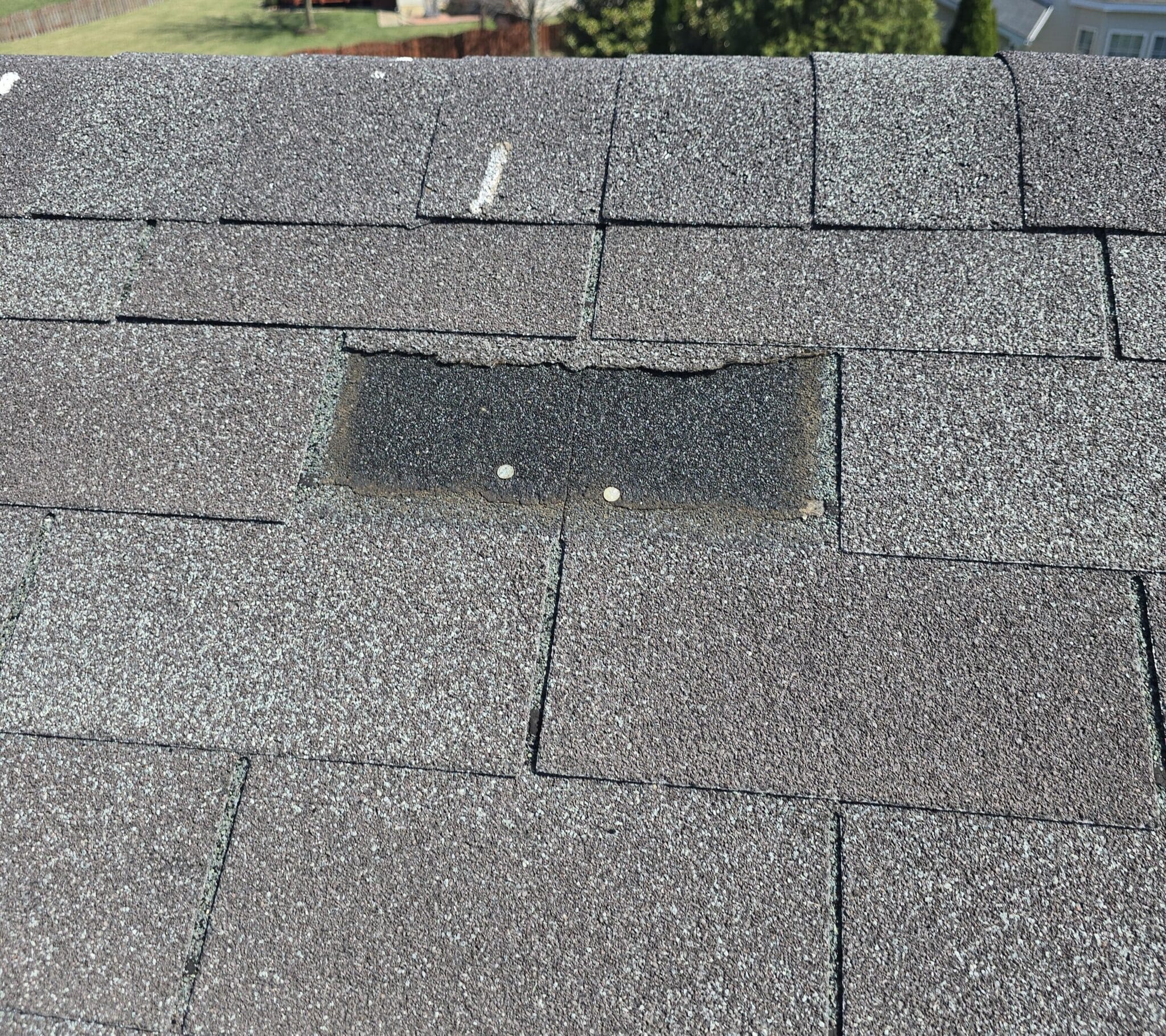
How to Protect Your Roof Before the Next Windstorm
You cannot control the weather, but regular maintenance can help you stay aware of your roof’s condition.
A few good habits include:
- Keep gutters and drainage areas clear.
- Address known roof repairs before they become larger problems.
- Watch for aging or deteriorating roofing materials.
- Have flashing and roof penetrations checked when needed.
- Keep trees and large branches from creating unnecessary risk around the home.
- Have the roof inspected when there is a reason to suspect damage or a maintenance concern.
The goal is not to make a roof completely immune to severe weather. Instead, regular maintenance helps homeowners understand the condition of their roofing system and address problems as they arise.
What to Expect From a Professional Roof Inspection
If you are concerned about how your roof handled a strong wind event, a professional inspection can provide a closer look.
The inspector may evaluate:
- The overall roofing surface
- Roof edges and corners
- Valleys and transitions
- Flashing and penetrations
- Roofing materials and their condition
- Areas that may not be easy to see from the ground
Photos and other documentation can also help explain what was found.
At Edwards & Sons Roofing, we believe homeowners should understand what is happening with their roof before deciding what to do next. If a repair is appropriate, the recommendation should focus on the area that needs attention. If the roof has more widespread concerns, those should be explained clearly as well.
The condition of the roof should guide the recommendation—not a predetermined sales goal.
What If an Insurance Claim Is Involved?
If you believe a storm damaged your roof, you can contact your insurance company and review your policy to understand your coverage.
The insurance company makes coverage decisions based on the terms of the policy.
A roofing contractor can provide information about the physical condition of the roof, document what was found, and explain recommended repairs.
If an adjuster is scheduled to inspect the roof, Edwards & Sons Roofing can be present to answer technical questions about the roofing system and explain what our inspection found.
The homeowner remains in control of the insurance claim and any decisions related to it.
Repair or Replacement?
Straight-line wind damage does not automatically mean a roof needs to be replaced.
A smaller issue may be repairable. More widespread damage or an older roof with significant wear may call for a different approach.
The right recommendation depends on the roof’s actual condition.
A trustworthy roofing contractor should be willing to explain what they find and why a particular repair or replacement option makes sense.
At Edwards & Sons Roofing, we believe in looking at the roof first and making the recommendation from there.
The Bottom Line
Straight-line winds can place stress on many parts of a roofing system. The strongest concern is not always the part that is easiest to see.
Roof edges, corners, valleys, transitions, and flashing all play important roles in how a roof handles wind and weather. The roof’s age, installation, design, and existing condition can also affect how it responds to a storm.
Understanding these factors gives homeowners a better picture of what is happening above their heads.
And when there is a question about the condition of the roof, the goal should not be to assume the answer before the roof is inspected.
At Edwards & Sons Roofing, we believe responsible roofing starts with understanding the problem, explaining the options, and letting the condition of the roof guide the recommendation.
For homeowners across Southern Illinois and the St. Louis Metro East, that means taking a straightforward look at the entire roofing system—not just the most obvious part.
Get A Free Roof Inspection