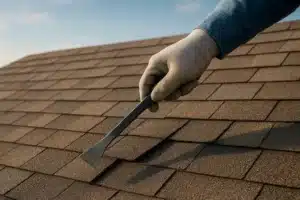
What is Roof Flashing and Where Is It Used?
When most homeowners think about their roof, they probably picture shingles. But shingles are only one part of the system that protects your home from the weather.
Some of the most important work happens in the places you may not notice at all—where your roof meets a chimney, exterior wall, skylight, vent, or another section of the roof.
These areas need special attention because water has to move around them without finding a path underneath the roofing materials.
That is where roof flashing comes in.
Roof flashing is a weather-resistant material installed around roof transitions and penetrations to help direct water where it belongs: away from vulnerable areas and down the roof.
It may not be the most noticeable part of your roof, but properly installed flashing plays an important role in helping the entire roofing system do its job.
Understanding what flashing is, where it is used, and what can affect it over time can help you recognize potential problems and know when it may be worth having a professional take a closer look.
What Is Roof Flashing?
Roof flashing is a thin, weather-resistant material used around areas where different parts of the roof or home come together.
It is commonly made from materials such as:
- Galvanized steel
- Aluminum
- Copper
- Other weather-resistant materials designed for roofing applications
The material matters, but the way flashing is installed matters just as much.
Your roof is designed to move water downhill and away from the home. Flashing helps maintain that water-shedding path in places where shingles alone cannot provide the same protection.
For example, a roof cannot simply continue uninterrupted through a chimney. The chimney creates an opening in the roof system, so several flashing components work together to guide water around it.
The same basic principle applies around:
- Chimneys
- Exterior walls
- Plumbing vents
- Exhaust vents
- Skylights
- Dormers
- Valleys
- Other roof penetrations and transitions
A simple way to think about flashing is as part of your roof’s water-management system.
It does not prevent water from reaching these areas. Instead, it helps make sure the water keeps moving over and away from the vulnerable joint instead of getting behind it.
Why Does Roof Flashing Matter?
A roof can look perfectly fine from the ground while still having an issue around a chimney, vent, valley, or other transition.
Flashing can age, become damaged, separate from surrounding materials, or be affected by previous roofing and exterior work. Sometimes the flashing is fine, but another nearby component is causing the problem.
That is why a good roof inspection looks at more than just the shingles.
At Edwards & Sons Roofing, we believe homeowners should understand what is happening with their roof before deciding what to do about it.
If something needs attention, you should know what the problem is, why it matters, and what your options are.
And if your roof is doing its job, you should hear that, too.
Where Is Roof Flashing Used?
Flashing is used in many different places around a roofing system.
The exact details depend on the home’s design, but some of the most common locations include:
- Chimneys
- Roof-to-wall transitions
- Plumbing vents
- Exhaust vents
- Valleys
- Skylights
- Dormers
- Roof edges and transitions
- Other areas where roofing materials meet a different structure or penetration
Let’s take a closer look at each one.
Chimney Flashing
Chimneys are one of the more complicated areas of a roof because they create a large interruption in the roof surface.
Water can approach a chimney from several directions, so chimney flashing usually involves multiple components working together.
Uphill Flashing and Chimney Crickets
The uphill side of a chimney is where water traveling down the roof approaches the chimney.
Some chimney designs use a cricket or saddle, which is a raised structure designed to divide and redirect water around the chimney rather than allowing it to collect behind it.
Whether a cricket is appropriate depends on the chimney and roof configuration.
Step Flashing
Step flashing consists of individual pieces of metal installed along the sides of the chimney.
These pieces work with the shingles in an overlapping pattern. Water traveling down the roof moves across the flashing and continues down the roof instead of being allowed to work behind the chimney.
Proper layering is important because the flashing and roofing materials need to work together as a system.
Downhill Flashing
The downhill side of the chimney receives water after it has traveled around the structure.
A larger piece of flashing may be used here to help direct water back onto the roof while protecting the transition between the chimney and the roof.
Counter-Flashing
Counter-flashing is installed into or over the masonry of the chimney and works with the flashing underneath it.
Its job is to help protect the upper edge of the flashing and keep water from getting behind the system.
Common Chimney Flashing Concerns
Like other roofing components, chimney flashing can be affected by time and weather.
Potential concerns include:
- Rust or corrosion
- Damaged flashing
- Deteriorated sealants
- Loose or displaced components
- Movement or settling
- Previous repairs
- Improper installation
- Debris collecting around the chimney
A water stain near a chimney does not automatically mean the flashing is the source.
Water can travel through roofing materials, decking, insulation, and framing before it becomes visible inside the home.
That is why finding the actual source matters more than simply treating the first place where you see a stain.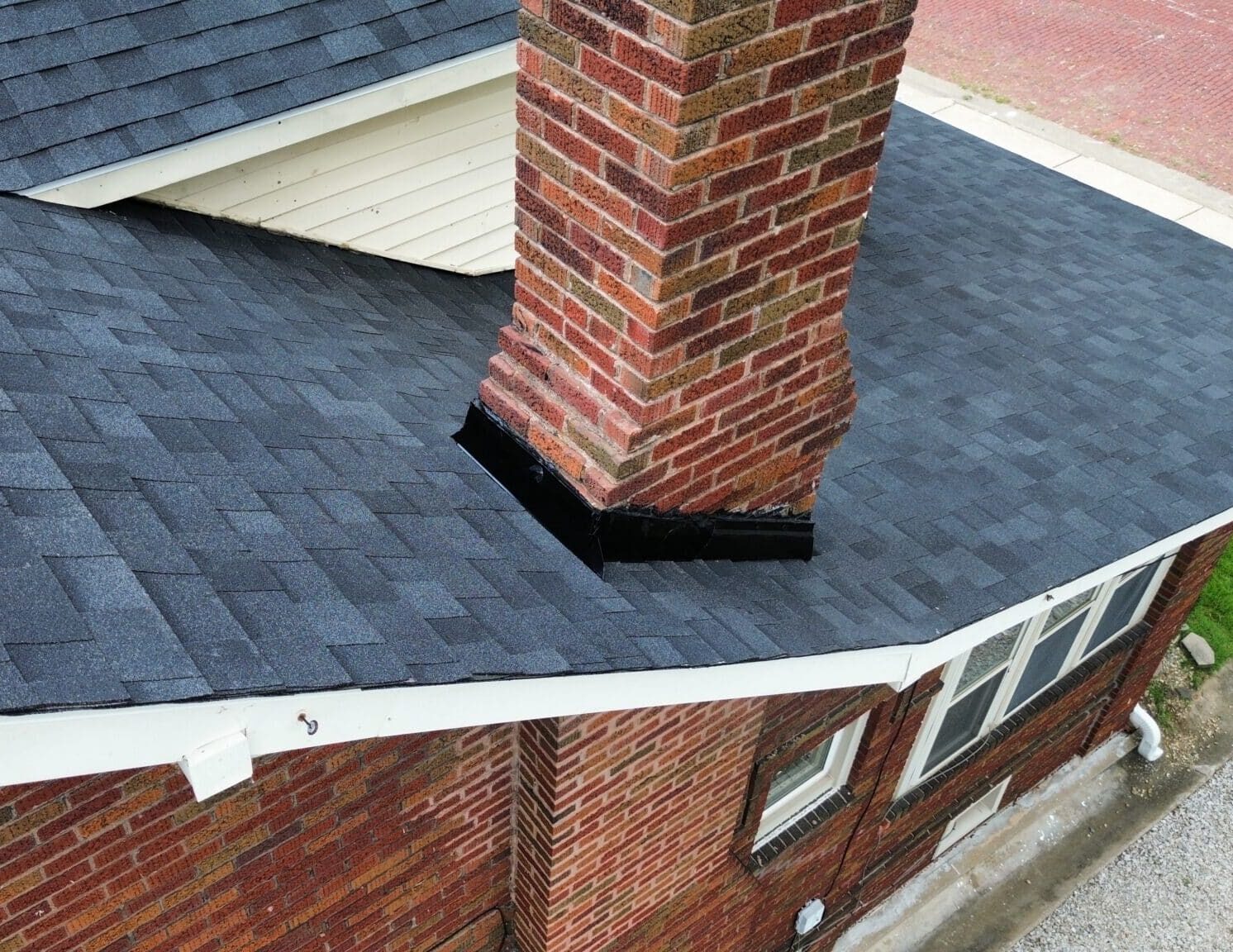
Roof-to-Wall Flashing
Another important flashing location is where a sloped roof meets an exterior wall.
This can happen where a roof meets the side of the house, a dormer, an addition, or another structure.
Whenever two different parts of a home meet, the transition needs to be properly protected so water can continue moving away from the house.
Step Flashing at Walls
Step flashing is commonly used where a sloped roof meets a wall.
Individual pieces are installed in an overlapping pattern with the surrounding roofing materials.
The goal is straightforward: guide water down the roof rather than allowing it to work behind the wall or roofing system.
Counter-Flashing at Walls
Depending on the home’s construction, counter-flashing or other wall flashing details may also be used to protect the upper portion of the transition.
This area deserves special attention when exterior work is being performed.
For example, siding replacement can involve the same area where the roofing and flashing meet. If the transition is not handled properly, the existing flashing system can be affected.
Signs of a Possible Roof-to-Wall Problem
Some things homeowners may notice include:
- Water staining near the ceiling or wall
- Damaged exterior materials near the roof line
- Visible gaps around the transition
- Deteriorated flashing
- Moisture-related damage
These signs are worth paying attention to, but they do not identify the exact cause on their own.
A proper inspection helps put the pieces together.
Vent and Pipe Flashing
Most roofs have several penetrations for plumbing vents, exhaust vents, or other systems.
Any time something passes through the roof, that opening needs to be properly integrated into the roofing system.
Plumbing Vent Flashing
Plumbing vent pipes extend through the roof to allow the home’s plumbing system to vent properly.
A flashing assembly around the pipe generally includes a base or flange that integrates with the roofing system and a collar or boot that fits around the pipe.
The surrounding shingles and flashing are installed so water can continue down the roof instead of entering around the pipe.
Why Vent Flashing Can Develop Problems
Vent flashing can be affected by:
- Age
- Weather exposure
- Deteriorating rubber components
- Movement of the pipe or surrounding roof structure
- Damaged fasteners
- Improper installation
- Previous roofing work
Rubber components can become less flexible as they age. Metal components can also corrode or become damaged.
A water stain below a plumbing vent can be an important clue, but it does not always prove that the vent is the source.
Water can move along the roof deck or framing before appearing inside the home.
Valley Flashing
A roof valley is where two roof planes meet.
It is also one of the places where a lot of water can be directed during a heavy rain or snowmelt.
Because valleys play such an important role in drainage, they deserve attention during a roof inspection.
Valley construction varies depending on the roof design, materials, and installation method.
Open Valleys
In an open valley, a section of flashing or other valley material remains visible between the roofing materials.
One benefit is that the valley area is relatively easy to see during a visual inspection.
At the same time, exposed materials can be affected by weather, debris, falling branches, or other impacts.
Closed Valleys
In a closed valley, roofing materials cover the valley area.
This creates a different appearance while still providing a designed path for water to move through the valley.
As with any roofing detail, the performance depends on the overall system and proper installation.
Woven Valleys
A woven valley uses shingles from both roof planes in an overlapping pattern.
This method has been used on many roofs, although its suitability depends on the roofing materials and roof design.
What Should Homeowners Watch For?
Homeowners may notice:
- Debris collecting in a valley
- Damaged roofing materials
- Visible deterioration
- Signs of water intrusion
- Areas where the valley looks different from surrounding roofing
A valley that looks different does not automatically have a problem. But because valleys are important drainage areas, they are worth paying attention to.
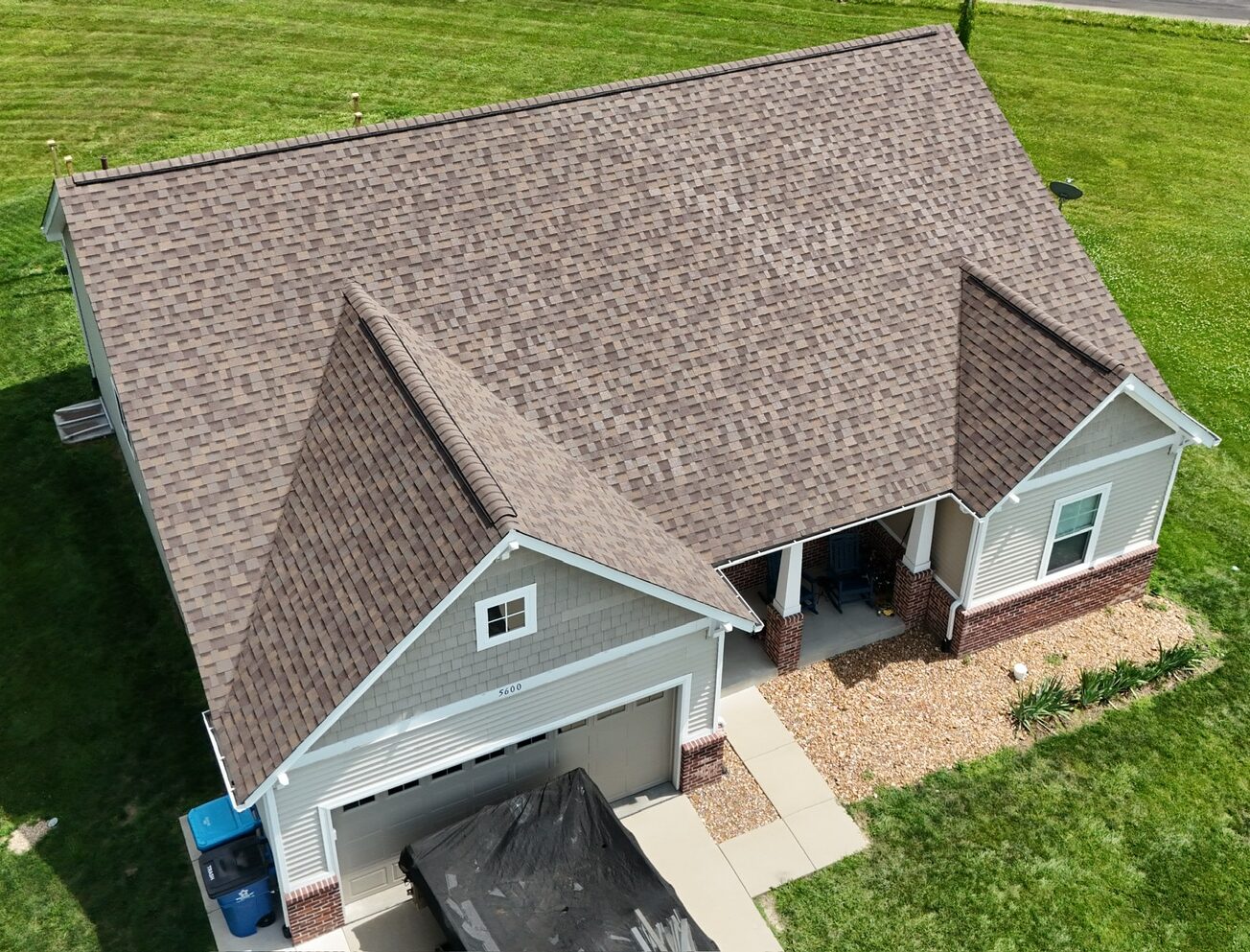
Ridge and Hip Areas
Flashing and other water-management components can also be used around roof peaks and intersections.
A ridge is the highest horizontal point where roof planes meet.
A hip is an exterior angle where two roof planes meet.
Ridge vent systems are designed to allow warm, moist attic air to escape while providing weather protection as part of the roofing system.
Hip and ridge materials also need to be installed properly so they work with the surrounding roofing materials and help maintain the roof’s ability to shed water.
These areas may not get as much attention from homeowners as a chimney or valley, but they are still part of the complete roofing system.
Flashing Around Skylights
Skylights create another important roof penetration.
Because a skylight rises above the roof surface, the area around it needs a carefully designed flashing system.
A typical skylight flashing system may include:
- Uphill flashing
- Side flashing
- Downhill flashing
These components work with the surrounding roofing materials to direct water around the skylight and back onto the roof.
Skylight leaks can have several possible causes.
Flashing is one possibility, but the skylight itself, surrounding roofing materials, seals, or other components may also play a role.
If you notice moisture or staining around a skylight, it is worth having the area evaluated before assuming the skylight or the entire roof needs to be replaced.
Dormer Flashing
Dormers add another layer of complexity because they combine roof and wall transitions.
A dormer can include:
- Roof-to-wall transitions
- Side walls
- A front roof section
- Multiple flashing points
- Intersections with the main roof
Because several different materials meet around a dormer, proper flashing is especially important.
A problem at one transition can allow water to move into another area before it becomes visible.
This is one reason complicated roof designs benefit from a careful inspection rather than a quick look at the shingles alone.
Why Does Roof Flashing Fail?
Flashing is designed to handle the weather, but it is not immune to aging or damage.
Over time, several things can affect flashing and the surrounding roofing system.
Age and Weather Exposure
Metal flashing can deteriorate over time.
Depending on the material and environment, it may develop:
- Rust
- Corrosion
- Surface deterioration
- Damage from impacts
- Separation at joints
Rubber components around vents can also become brittle as they age.
Sealants can lose flexibility and develop cracks or gaps.
The age of a roof does not tell you exactly how every flashing component is performing. However, older roofing systems may benefit from more regular inspection and maintenance.
Installation Problems
Flashing depends heavily on proper installation.
Components need to overlap correctly and integrate with the surrounding roofing and exterior materials.
If flashing is installed incorrectly, cut too short, improperly fastened, or arranged in a way that allows water behind it, the system may not perform as intended.
This is one reason experience matters when roofing work is being performed.
A roof is not just a collection of shingles. It is a system of materials and transitions that need to work together.
Movement and Settling
Homes and roofing materials move over time.
Temperature changes can cause materials to expand and contract, while normal settling can affect joints and connections.
Small changes can eventually affect:
- Flashing
- Fasteners
- Sealants
- Roofing materials
- Roof-to-wall transitions
A flashing detail that worked well when it was installed may eventually need maintenance or repair.
Debris
Leaves, branches, pine needles, and other debris can collect around:
- Chimneys
- Valleys
- Roof-to-wall transitions
- Skylights
- Other roof penetrations
Debris can hold moisture and interfere with normal drainage.
Keeping the roof and gutters reasonably clear of accumulated debris is a simple part of ongoing roof maintenance.
Previous Repairs and Exterior Work
Roofs are often repaired, updated, or modified throughout their lives.
A repair in one area can affect nearby components if the work is not properly integrated with the existing roofing system.
The same is true for other exterior projects.
Siding, chimney, gutter, skylight, and other home improvements can involve areas where roofing and flashing already exist.
That is why it is important to look at the entire transition rather than one piece of material by itself.
Freeze-Thaw Cycles
Illinois and Missouri homeowners know that winter weather can change quickly.
Cold temperatures, snow, ice, and repeated freeze-thaw cycles can put stress on roofing materials and flashing details.
Water expands when it freezes, and repeated temperature changes can affect sealants and other materials over time.
That does not mean every winter will cause a flashing problem. It is simply one more reason Midwest homeowners should not overlook regular roof maintenance.
How Can Homeowners Spot Possible Flashing Problems?
Some flashing concerns are visible from the ground. Others require a much closer look.
From a safe location, homeowners may be able to notice:
- Visible rust or corrosion
- Damaged or displaced flashing
- Debris collecting around roof transitions
- Clearly visible gaps
- Damaged roofing around a chimney or skylight
- Water staining inside the home
You may also notice:
- A ceiling stain after rain
- Peeling or damaged paint near a roof-to-wall transition
- Moisture around a skylight
- Water appearing near a chimney
- Signs of water near a plumbing vent
These observations are useful, but they do not necessarily tell you where the water is entering.
The Visible Stain May Not Be the Source
This is one of the most important things for a homeowner to understand about roof leaks.
Water does not always appear directly below the point where it enters the roof.
It can travel along:
- Roof decking
- Framing
- Insulation
- Flashing
- Other roofing materials
So if you see a water stain on your ceiling, looking directly above that stain may not reveal the actual source.
That is why leak diagnosis sometimes requires a closer look at the entire roof system.
Should You Inspect Roof Flashing Yourself?
There are some things homeowners can safely observe from the ground, but climbing onto a roof introduces fall risks and can also damage roofing materials if you do not know where it is safe to walk.
For that reason, a professional inspection is often the better option when flashing needs to be evaluated closely.
A roofing professional may inspect:
- Chimney flashing
- Roof-to-wall transitions
- Plumbing vent flashing
- Skylight flashing
- Valleys
- Ridge and hip areas
- Roofing materials surrounding flashing
- Visible signs of water intrusion
When appropriate, an inspection can also include the attic or interior areas.
The goal is not simply to find something that looks imperfect.
The goal is to understand what is happening with the roofing system and whether anything actually needs attention.
When Should You Have Your Roof Flashing Inspected?
There are several situations where a professional inspection can make sense.
You Notice Water Intrusion
If you see a new ceiling or wall stain after rain, it is worth determining where the moisture is coming from.
You See Changes Around a Chimney
Cracked or deteriorating materials, visible gaps, or signs of moisture around a chimney deserve a closer look.
You Notice a Problem Around a Skylight
Moisture or staining around a skylight should be investigated before assuming the skylight or entire roof needs replacement.
Your Home Has Experienced a Severe Storm
Strong winds, hail, falling branches, and other severe weather can affect flashing as well as shingles and other roofing components.
You Are Having Exterior Work Done
If you are replacing siding, working around a chimney, installing a skylight, or making other changes near the roof, it is worth making sure the existing flashing remains properly integrated.
Your Roof Is Getting Older
An older roof does not automatically need to be replaced.
But as roofing materials age, regular inspections can help identify maintenance needs and give you a better understanding of the roof’s condition.
Roof Flashing and Midwest Weather
Here in Illinois and Missouri, a roof has to handle a lot of different conditions throughout the year.
Depending on the season, your home may experience:
- Heavy summer rain
- Strong winds
- Hail
- Snow
- Ice
- Freeze-thaw cycles
- Large temperature swings
- Falling branches and storm debris
All of these conditions can affect roofing materials over time.
Flashing deserves particular attention because it protects many of the places where different parts of your home meet.
For homeowners throughout the Metro East and surrounding Illinois and Missouri communities, keeping an eye on these transitions is a practical part of maintaining the roof over your home.
Does a Flashing Problem Mean You Need a New Roof?
Not necessarily.
This is an important distinction for homeowners.
A problem with one flashing component does not automatically mean the entire roof has reached the end of its useful life.
Depending on what an inspection finds, the appropriate solution could involve:
- Repairing flashing
- Replacing a damaged flashing component
- Addressing a seal or connection
- Repairing nearby roofing materials
- Correcting a drainage issue
- Investigating the source of a leak
- Replacing a larger section of the roofing system
- Replacing the roof when its overall condition warrants it
The right answer depends on the condition of the roof and the specific problem.
That is why we believe diagnosis should come before recommendation.
At Edwards & Sons Roofing, we have a simple philosophy: we won’t sell you a roof if you just need a repair.
If a repair can reasonably address the problem, we will explain the repair.
If something simply needs to be monitored, we will tell you that.
And if replacement makes sense, we will explain what we found and why.
Your roof is a major part of your home. You deserve to understand the condition it is in before making a decision about it.
What Does a Professional Roof Inspection Look At?
A thorough roof inspection is about more than walking around and looking at shingles.
A good inspection considers how the different parts of the roofing system work together.
That can include:
1. The Roof Surface
The inspector looks at shingles and other visible roofing materials for signs of wear, damage, or changes in condition.
2. Roof Transitions
Areas where roof planes or structures meet receive attention because they require specialized water-management details.
3. Flashing
This includes chimneys, walls, valleys, vents, skylights, and other vulnerable areas.
4. Roof Penetrations
Pipes, vents, skylights, and other penetrations are checked for visible concerns.
5. Drainage
Valleys, gutters, and other drainage areas are considered as part of the overall system.
6. Interior and Attic Areas
When appropriate, visible evidence of moisture or water intrusion inside the home can provide useful clues.
7. Overall Roof Condition
Finally, the condition of the roof as a whole matters.
A single damaged component should be considered in context.
That is the difference between simply finding something wrong and actually understanding what the roof needs.
A Roof Inspection Should Give You Answers, Not Pressure
One of the most useful things a homeowner can get from a professional inspection is clarity.
If there is a problem, you should understand:
- What was found
- Where it is located
- Why it matters
- What options may be available
- Whether it needs immediate attention
- Whether it can be monitored
- Whether a repair or replacement makes sense
You should not have to feel pressured into making a decision before you understand the situation.
That is especially important when the issue involves something as significant as your home’s roof.
At Edwards & Sons Roofing, we believe the homeowner should be in control of that decision.
Our job is to bring experience, inspect carefully, explain what we find, and provide an honest recommendation based on the condition of the roof.
The Bottom Line: Flashing Is a Small Part of a Big System
Roof flashing may not be the most visible part of your roof, but it plays an important role in helping water move safely around the places where your roof meets other structures.
Chimneys, walls, valleys, vents, skylights, and dormers all create transitions that require careful attention.
Flashing can be affected by age, weather, movement, debris, previous repairs, installation issues, and other factors.
Some problems are easy to spot. Others require a closer inspection to understand.
The most important thing for homeowners is not to assume the worst when something looks wrong.
A water stain does not automatically mean you need a new roof.
A damaged piece of flashing does not automatically mean the entire roofing system has failed.
And a roof that looks fine from the ground does not necessarily tell you everything about its condition.
The best next step is usually to understand what is actually happening first.
Edwards & Sons Roofing: Experienced Enough to Know the Difference
For more than 50 years, Edwards & Sons Roofing has served homeowners throughout Illinois and Missouri as a third-generation, family-owned roofing company.
That experience has taught us something simple:
Every roof is different, and not every roofing problem calls for the same solution.
Sometimes a roof needs a repair.
Sometimes an area simply needs to be monitored.
Sometimes maintenance can address a concern before it becomes a larger issue.
And sometimes replacement is the right long-term answer.
Our job is to help you understand which situation you’re dealing with.
If you have noticed water staining, damaged flashing, storm-related concerns, or anything else that does not look right, a professional inspection can help you get a clearer picture of your roof’s condition.
Edwards & Sons Roofing can inspect the roof, explain what we find, and help you understand what makes sense for your home.
If your roof needs attention, we’ll tell you. If it doesn’t, we’ll tell you that, too.