You hear the thunder. The wind starts picking up. Then your phone lights up with a severe weather warning. For homeowners in Illinois and Missouri, this is a familiar part of summer. Storms can move in fast, and when they do, your home is the first thing standing between your family and the weather.
Most people think about storm damage after the storm. But what if you could get ahead of some of the problems before the weather arrives? You don’t need to climb onto your roof or spend thousands of dollars getting your home ready for storm season. A few simple checks around your property can help you spot areas that may need attention.
At Edwards & Sons Roofing, we’ve been helping Midwest homeowners protect their homes since 1974. After more than 50 years in the business, we’ve seen plenty of storms come through Illinois and Missouri. We’ve also seen the difference between a home that was prepared and one that wasn’t. Here’s where to start.
Start With What You Can See
You don’t need to be a roofing expert to look for changes around your home. Walk around your property on a clear day and take a few minutes to look at the roof, siding, gutters, and areas around the home. You’re not trying to diagnose a problem. You’re simply looking for something that doesn’t look right.
Pay attention to:
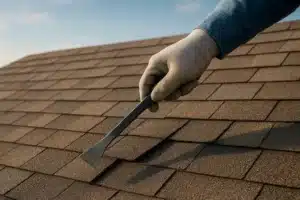
- Shingles that appear loose or out of place
- Shingles with curled edges
- Missing pieces of roofing material
- Loose or damaged siding
- Gutters pulling away from the house
- Downspouts that aren’t connected properly
- Tree branches hanging over the roof
- Debris collecting on the roof or in the gutters
If something catches your eye, take a picture. That gives you a record of what the home looked like before the next storm. And if you aren’t sure whether something is a problem, that’s when a professional inspection can help.
Your Gutters Can Tell You a Lot
Here’s something many homeowners overlook: Your gutters can give you clues about what’s happening on your roof. After a heavy rain, take a look at your downspouts. Are they draining? Is water pouring over the sides of the gutters? Are there large amounts of shingle granules collecting near the downspouts?
A small amount of granules can be normal, especially on a newer roof. But a noticeable increase may be a reason to have the shingles checked. Gutters should also be free of leaves, sticks, and other debris before major storms arrive. Heavy rain has to go somewhere. A clean gutter system gives that water a clear path away from your home.
Look at the Trees Around Your House
Your roof isn’t the only thing you should inspect before storm season. Take a look at the trees around your property. Dead branches, broken limbs, and branches hanging directly over the roof can become a problem during high winds. You don’t have to remove every tree near your house. Instead, look for obvious concerns and consider having damaged or unsafe branches handled by a qualified tree professional. It’s one more way to reduce potential problems when the wind picks up.
Don’t Forget the Siding
Strong winds don’t only affect roofs. They can also put stress on siding. Walk around your home and look for panels that appear loose, cracked, or separated. Pay close attention to corners, areas around windows, and places where different materials meet. A small siding problem may not seem important on a sunny day. But when strong winds and driving rain arrive, an existing weakness may become more noticeable. Taking care of small concerns before severe weather can help you stay ahead of the problem.
What About the Roof?
Here’s where we recommend taking a different approach. You don’t need to climb onto your roof every spring or summer. In fact, we don’t recommend it. A roof can be steep, slippery, and dangerous to walk on. Instead, look at it from the ground. If you can safely see the roof, check for obvious changes such as missing shingles, areas that look uneven, or shingles that appear to be curling.
You can also look at the roof from windows or other safe areas around your home. If you see something concerning, let a professional take a closer look. That’s safer for you and gives you a better understanding of what you’re actually seeing.
What Happens When a Storm Hits?
When severe weather is approaching, your roof should not be your main concern. Your family should be. Know where everyone in your household should go during a tornado warning or severe weather event. Keep important supplies where you can reach them quickly.
Your emergency supplies may include:
- Flashlights
- Batteries
- Water
- First-aid supplies
- Necessary medications
- Non-perishable food
- A way to receive weather alerts
It’s also a good idea to bring loose outdoor items inside or secure them before the storm arrives. Patio furniture, grills, toys, decorations, and planters can become dangerous when strong winds hit. A few minutes of preparation can make a big difference.
The Morning After the Storm
Once the storm has passed, don’t rush outside. Wait until it is safe. Then take a slow walk around your property. You may find obvious signs of damage.
In the yard:
- Shingles
- Broken branches
- Pieces of siding
- Damaged outdoor items
On the house:
- Missing shingles
- Damaged gutters
- Loose siding
- Broken vents
- Visible holes or other damage
Inside the house:
- New ceiling stains
- Damp areas
- Water around windows or walls
- Drips from the ceiling
Take pictures of anything you find. And remember: don’t climb onto the roof to investigate. If you see electrical hazards, major structural damage, or other dangerous conditions, stay away and contact the appropriate professionals.
One Storm Can Change Things
A roof can look fine before a storm and look very different afterward. That’s why it’s important to pay attention to changes. Maybe there are three shingles missing. Maybe a gutter is now hanging lower than it was before. Maybe you noticed water in the attic for the first time. Those details matter. They don’t automatically mean you need a new roof. They simply tell you that something changed and should be looked at.
Don’t Let a Storm Make the Decision for You
One of the worst times to make a major home decision is when you’re feeling rushed. After a large storm, homeowners may suddenly have contractors knocking on their doors or leaving flyers. You don’t have to make a decision at the door. Take your time. Ask questions. Get an inspection. Understand what was actually damaged. Then decide what makes sense for your home.
At Edwards & Sons Roofing, that’s how we approach storm damage. We don’t start with the assumption that you need a new roof. We start by looking at the condition of the roof. If a repair makes sense, we’ll discuss the repair. If replacement is the better option based on the condition of the roof, we’ll explain why. We won’t sell you a roof if you just need a repair.
If Insurance Is Part of the Process
Storm damage can also bring another set of questions. “Should I file a claim?” “What’s covered?” “What will my insurance company need?” These are questions your insurance policy and insurance company ultimately determine.
Our role is different. If you choose to file a claim, we can document the damage we observe, provide information about the work that may be needed, and meet you with your insurance adjuster during the inspection. We’ll explain what we’re seeing and answer questions about the roofing work. The insurance decision stays with your insurance company. You stay in control of the decision about your home.
What Makes a Good Storm-Damage Contractor?
After a major storm, don’t just look for the first contractor who shows up. Look for a company you can still reach after the storm is over.
Here are a few questions worth asking:
How long have you been in business?
A long track record doesn’t guarantee a perfect project, but it gives you something you can research. Edwards & Sons Roofing has been serving homeowners since 1974.
Do you repair roofs?
A contractor should be willing to explain when a repair may be appropriate.
Who will actually do the work?
Ask about the crews working on your home and who will be responsible for the project.
What materials do you use?
Ask what roofing products are being installed and what manufacturer certifications the company holds.
How will you communicate with me?
Ask who your contact will be and how you’ll receive project updates. These questions may seem simple, but they can tell you a lot about the company you’re considering.
Why We Take a Repair-First Approach
Storm season can create a lot of pressure. We don’t think homeowners need more of it. Sometimes a storm damages a few shingles. Sometimes the damage is more widespread. Sometimes the roof was already showing signs of age before the storm. Those situations aren’t all the same. That’s why we look at the actual condition of the roof before recommending a solution.
Our repair-first approach is simple: Find the problem. Explain the problem. Talk through the options. Let the homeowner make the decision. That’s the way we’ve approached roofing for more than 50 years.
A Simple Storm-Ready Checklist
Before the next major storm, take a few minutes to check:
- Gutters are clear
- Downspouts are connected and directing water away from the home
- No obvious loose or missing shingles are visible from the ground
- Siding appears secure
- Outdoor furniture and loose items are secured
- Damaged tree branches have been addressed
- Emergency supplies are easy to reach
- Everyone in the household knows where to go during severe weather
- Important home documents and insurance information are easy to find
- You know who to call if your home is damaged
It doesn’t take long. But being prepared can make the aftermath of a storm much easier to manage.
You Can’t Stop the Storm. You Can Be Ready for It.
Nobody can control the weather. But you can control how prepared you are. Take a few minutes to look around your home before storm season. Pay attention to small changes. Keep your gutters clear. Secure loose items. Know your family’s storm plan. And if severe weather does damage your home, don’t panic. Take pictures. Stay safe. Get the information you need. Then decide what comes next.
For more than 50 years, Edwards & Sons Roofing has helped homeowners throughout Illinois and Missouri navigate roof repairs, replacements, and storm damage. If you’re unsure about the condition of your roof after a storm, we’re happy to take a look and explain what we find. No pressure. No guessing. Just an honest look at your home and clear information about your options.
Get A Free Roof Inspection