Every winter the same back bedroom runs cold, and the siding on that side of the house looks tired. It’s natural to connect the two. Before you put money into new siding to fix a drafty house, it helps to know what siding does for comfort and where the cold air is really coming from.
Energy efficient siding can help a little, but siding is mainly your home’s weather protection. How warm or drafty a house feels depends far more on the wall behind the siding, the insulation inside that wall, and the air leaks around windows, doors and the attic. New siding makes the most sense when your current siding is failing anyway, because that is the best time to add insulation and seal the wall underneath.
In this article
- What Does Siding Actually Do for Your Home’s Energy Efficiency?
- What’s Behind Your Siding That Affects Drafts and Heat Loss?
- What Can an Inspection Reveal About Drafts and Worn Spots?
- Insulated Siding and Other Upgrades: Which Help and Which Are Oversold?
- Siding, Roof or Gutters: Where Should You Spend First?
- How Do You Get the Most Energy Efficiency From New Siding?
- Frequently Asked Questions
- Not Sure Where Your Drafts Are Coming From?
What Does Siding Actually Do for Your Home’s Energy Efficiency?
Siding’s main job is keeping rain, wind and sun off the structure of your house. On its own, most siding adds very little insulation.
That surprises a lot of homeowners. Standard vinyl siding hangs on the wall as a thin shell, with small gaps behind it on purpose so any water that gets in can drain out. Fiber cement is heavier and sturdier, but it isn’t insulation either. The siding materials themselves decide only a small part of your home’s energy performance.
What siding does decide is whether water stays out of the wall. Water is what soaks insulation, softens wood and opens up gaps over time. So siding affects comfort indirectly, by protecting the layers that slow heat transfer and stop air.
What’s Behind Your Siding That Affects Drafts and Heat Loss?
The layers behind your siding control most of the drafts and heat loss through your walls. From the outside in, a typical wall has:
- Weather barrier: a wrap or membrane that sheds water that gets past the siding and slows air moving into the wall.
- Flashing: metal or membrane pieces at windows, doors and the spots where a roof edge meets a wall, which turn water back out.
- Sheathing: the boards fastened to the framing, which everything else attaches to.
- Wall insulation: the material between the studs that slows heat moving in or out.
- Seals around openings: caulk and foam around windows, doors, vents and pipes, where air most often slips through.
The U.S. Department of Energy draws a useful line here. Insulation slows heat flow. Air sealing stops air from moving through the wall at all. Drafts come from air leaks, so a wall full of insulation can still feel drafty if the gaps around it were never sealed.
Heat also travels through the wood framing, which sits between the pockets of insulation and slows heat far less. Builders call this thermal bridging. It’s one reason a continuous layer of insulation across the whole wall, added when siding is replaced, can do more for a wall than the siding panel ever could.
What Can an Inspection Reveal About Drafts and Worn Spots?
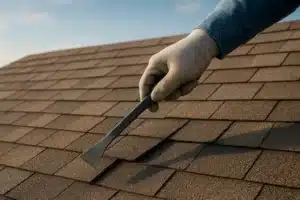
A careful look at the outside of your house can show where air and water are most likely getting in. On a free inspection from Edwards & Sons, these are the things we check on your walls:
- Gaps around windows and doors, and caulk that has dried out, cracked or pulled away
- Cracked, warped or buckled panels that can let water and air behind the siding
- Loose or missing pieces, often after a windstorm
- Staining, mildew or soft spots that hint at moisture behind the surface
- The places where siding meets the roof edge and the gutters, since runoff from above lands on the wall there
We look at the roof and gutters on the same visit, because they have a lot to do with how well your walls hold up. A drone helps us see roof edges you can’t see from the yard.
A visual check has limits. It can point to likely trouble spots, but it can’t always confirm hidden moisture inside a wall without probing or taking off a section of siding. If something calls for a closer look, we explain why. If your walls look sound, we say so.
Insulated Siding and Other Upgrades: Which Help and Which Are Oversold?
The improvement that tends to help most is adding insulation and sealing the wall while the siding is off. Insulated siding by itself helps far less than its name suggests.
Insulated vinyl siding. This is vinyl with a foam backing attached. It adds a modest amount of insulation, and federal research points the same way: on its own, the gain is modest and varies from house to house and climate to climate.
Insulation under new siding. When the old siding comes off, the wall is open. The Department of Energy points to that moment as the best chance to fill empty wall cavities and add foam insulation over the sheathing. In an older home with little or nothing inside the walls, that is usually the bigger opportunity.
Vinyl or fiber cement. Both are solid siding options for protecting a home. Neither is an insulator, so the right siding for you comes down to looks, upkeep and durability more than energy.
Siding, Roof or Gutters: Where Should You Spend First?
If water is getting into your walls, fix the source first, and that source is often the roof or the gutters. If your concern is drafts and high energy bills, the attic and air sealing usually come before siding.
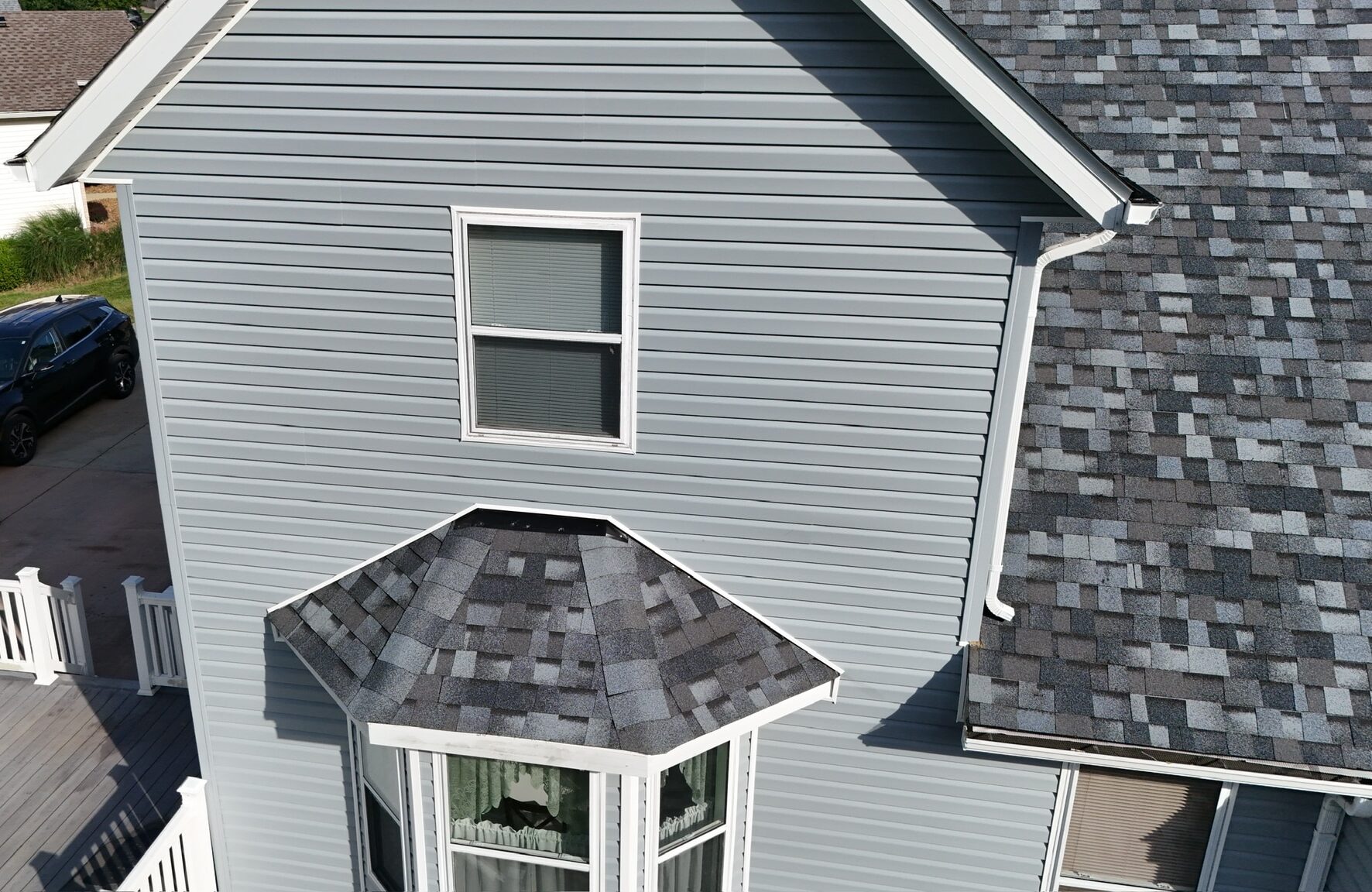
Water comes first. A leaking roof edge, or gutters that overflow in every storm, send water down onto the siding, the trim and the sheathing behind them. That water can sit behind siding that looks fine from the yard. Where a roof meets a side wall, a small piece of flashing called a kickout should steer runoff into the gutter. When it’s missing, a steady stream lands on the wall. New siding hung over a wet, damaged wall can fail early, so roof and gutter problems get fixed first or at the same time.
Drafts and energy use come next. ENERGY STAR advises homeowners to “start with the attic if you want to have the highest impact on savings and comfort,” and to “always do attic air sealing before adding insulation.” The basement or crawlspace follows. On walls, ENERGY STAR is direct: “Leaks through doors, windows and walls can lead to uncomfortable drafts, but usually have the least impact on energy use.”
Your walls still matter. Siding just isn’t usually the first place to spend if lower energy bills are the goal.
Repair when repair is enough. We recommend repair over full replacement whenever possible. We’re not in the business of upselling you on services you don’t need. Period.
How Do You Get the Most Energy Efficiency From New Siding?
When your siding does need replacing, treat it as a chance to improve the whole wall. With the old siding off, the weather barrier, the flashing and the seals around windows and doors can all be redone, and insulation can go in behind the new panels.
That’s how energy-efficient siding earns its name. Its value comes from the system behind it and proper installation, with the siding as the protective outer layer that keeps those improvements dry. An insulated product can add a little on top. The bigger gains come from what goes into the wall while it’s open.
St. Louis weather swings from humid summers to hard freezes, with storms in between. A wall that stays dry and sealed through those swings holds up better and keeps the rooms behind it more even.
Frequently Asked Questions
Is siding with insulation worth it?
It’s easiest to justify once your attic is already insulated and sealed, since that’s where ENERGY STAR says the biggest gains usually are. Ask what goes behind the panels too: insulated siding over a wall with empty cavities and unsealed gaps leaves the larger problem in place. A home energy assessment can show where your house loses the most heat, which is usually somewhere other than the walls.
When should I replace the siding on my house?
Replace it when damage is widespread, keeps coming back after repairs, or is letting water into the wall. Watch for cracking or brittleness across large areas, warping or buckling on several walls, panels that keep working loose, soft or rotted spots underneath, and staining, mildew or a musty smell near exterior walls. One cracked panel or a loose piece after a storm usually calls for a repair to that spot.
Does light-colored siding lower cooling bills?
It can help a little on walls that get strong sun, but it matters less than the roof and the attic. Research from the Pacific Northwest National Laboratory calls the savings from cool walls in the St. Louis area’s climate “generally marginal for new homes, but worthwhile for older homes with less insulation.” Lighter walls can also raise heating use in winter, since they soak up less of the sun’s warmth.
Not Sure Where Your Drafts Are Coming From?
If your house feels drafty and your siding looks worn, we’re glad to come out and look at your walls, roof edge and gutters together, at no charge and with no sales pressure. Afterward, Edwards & Sons can talk you through whether the fix looks like a repair, new siding, or something else entirely.
Get A Free Roof Inspection