From spring hailstorms to high straight-line winds, Illinois and Missouri weather can be tough on your roof. After a storm passes through the Metro East or Greater St. Louis area, it’s common to find shingles in the yard or wonder if your roof was damaged.
Roofs in Illinois and Missouri deal with a little bit of everything. One season can bring golf-ball-sized hail, while the next brings heavy snow and freezing temperatures. Over time, these weather extremes can weaken roofing materials, making even smaller storms more likely to cause damage.
It’s natural to worry that you’re facing the cost of a brand-new roof. But the truth is, not every storm means a full replacement.
Many roofs only need a professional repair.
At Edwards & Sons Roofing, we’ve spent more than 50 years helping homeowners across Illinois and Missouri make informed decisions about their homes. Our goal is simple: provide an honest inspection, explain what we find, and recommend the solution that makes the most sense for your roof. Sometimes that’s a replacement. Other times, it’s a repair—or even no repairs at all.
Before you schedule an inspection or call your insurance company, here’s what you should know about minor storm damage and when a repair may be the right choice.
Not All Storm Damage Requires a New Roof
Midwest storms can damage a roof in many different ways. While severe damage sometimes requires replacement, many issues are isolated and can be repaired without replacing the entire roofing system.
A professional inspection helps determine:
- Whether the damage is cosmetic or functional
- If water has reached the roof decking
- Whether the damage is limited to a small area
- If a repair can safely restore your roof
Making that distinction early can save both time and money.
Common Types of Minor Storm Damage
Wind Damage
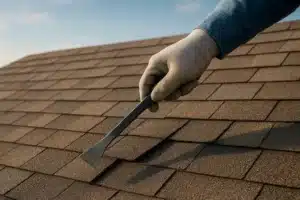
Spring and summer storms across Illinois and Missouri often produce wind gusts strong enough to lift shingles or break their seal. Even if only a few shingles are affected, it’s worth having the area inspected before moisture has a chance to get underneath.
Hail Damage
Hail is one of the most common causes of roof damage in the Midwest. While larger hailstones can cause obvious damage, smaller hail can leave bruising that isn’t visible from the ground.
During an inspection, we look for signs that hail has damaged the protective layers of the shingle—not just surface marks. If the damage is limited, a repair may be all that’s needed.
Missing Shingles
A few missing shingles after a storm can often be repaired quickly if the surrounding roof is still in good condition.
Replacing damaged shingles promptly helps reduce the chance of water finding its way into your home.
Should You Repair It Yourself?
Many homeowners enjoy tackling projects around the house, and some minor roof repairs may look simple online. However, roofing can present safety risks, and hidden damage isn’t always easy to spot.
A repair may be reasonable if:
- The damage is very limited.
- You can safely access the area.
- You have the proper tools and roofing materials.
It’s usually best to call a professional if:
- Water has entered your home.
- Multiple shingles are damaged.
- The roof is steep or difficult to access.
- You’re unsure how extensive the damage is.
Even a small leak can travel through the roof system before it appears inside your home, making the source harder to identify than it first seems.
Should You File an Insurance Claim?
One of the most common questions we hear after a storm is whether homeowners should contact their insurance company right away.
The answer depends on the extent of the damage.
If the repair cost is less than your deductible, filing a claim may not provide much financial benefit. That’s why it’s often helpful to understand the condition of your roof before deciding on your next step.
If storm damage appears significant, we can document what we find, explain the repair needs, and answer technical questions during the adjustment process if requested. Your insurance company determines coverage, but having a clear understanding of your roof’s condition can help you make informed decisions.
Why an Honest Inspection Matters
Roofing materials age differently depending on your home’s location, tree coverage, ventilation, and years of exposure to Midwest weather. That’s why no two storm damage inspections are exactly alike.
That’s why we believe every inspection should begin with facts—not assumptions.
When we inspect a roof, we take the time to:
- Look for visible and hidden damage
- Photograph areas of concern
- Explain what we’re seeing in plain language
- Discuss whether repair or replacement makes the most sense
- Answer your questions without pressure
Sometimes we recommend repairs.
Sometimes replacement is the better long-term investment.
And sometimes, we’ll let homeowners know their roof is still in good shape.
Our goal is to give you the information you need to make the right decision for your home.
What Makes a Good Roof Repair?
A quality repair should do more than stop a leak today. It should help protect your roof for years to come.
Professional repairs focus on:
- Matching existing roofing materials as closely as possible
- Replacing damaged components correctly
- Sealing vulnerable areas
- Checking nearby shingles for additional damage
- Making sure water is flowing properly off the roof
Just as importantly, the repair should address the cause of the problem—not just the symptom.
Frequently Asked Questions
Can a few missing shingles really be repaired?
In many cases, yes. If the surrounding roof is still in good condition and the damage is limited, replacing a few shingles may be all that’s needed.
Will a repair match my existing roof?
While older shingles naturally fade over time, experienced contractors work to match the existing color and style as closely as possible.
How soon should I repair storm damage?
It’s usually best to schedule an inspection soon after you notice damage. Small issues can become larger problems if water is allowed to enter the roof system.
What if my roof doesn’t need repairs?
We’ll tell you.
Not every inspection results in a repair or replacement recommendation. If your roof is in good condition, we’ll explain what we found so you can have confidence moving forward.
Get Peace of Mind After the Storm
Storm damage isn’t always as serious as it looks from the ground. A few missing shingles or small areas of damage don’t automatically mean you need a new roof.
The best place to start is with an honest inspection.
At Edwards & Sons Roofing, we’ve been helping homeowners throughout Collinsville, the Metro East, and the Greater St. Louis area since 1974.. We’ll inspect your roof, document what we find, answer your questions, and explain your options clearly—without pressure.
Whether your roof needs a simple repair, a larger restoration, or no work at all, you’ll have the information you need to make the best decision for your home.
Because protecting your home starts with knowing the truth about your roof.
Get A Free Roof Inspection